Much of the discussion on the first day has focused on US-NATO-Russia relations. In the first discussion between German Defense Minister Ursula Van Der Leyen and Zbigniew Brzezinski discussed the role of the military in Germany and EU actions in regard to Ukraine. Von Der Leyen defended the focus on diplomacy in Ukraine. Brzezinski called for accommodation of some of Russia's aims but clear deterrence. As Von Der Leyen put it, there must be clear costs for Russia not only militarily or in loss of lives, but also in terms of economic loss. Brzezinski was also concerned that Putin flaunts the nuclear threat, something which hasn't happened in decades. He argued that the only outcome in Ukraine is one in which both sides can walk away with something for their constituents.
NATO Secretary General Jens Stoltenberg said that we are not in the days of the cold war, but we are not in the cooperative situation we were because Russia has broken the rules by sending troops and materiel into Eastern Ukraine, taking over Crimea, issues with Moldova and Georgia, etc...
David Ignatius of the WSJ asks how NATO would respond to a cyber attack - would it trigger artile 5? Stoltenberg basically says yes, any attack on any ally is something NATO is responding to - any kind of attach. Also have to defend NATO infrastructure. Kosachev asks if NATO would bomb a country that conducted a cyber attack?
Konstantin Kosachev, representing the Russian Federation Council on International Affairs focused on grievances going back to the end of the cold war. Says he doesn't understand NATO strategy and what would happen if certain member states would declare Russia as a country behind a cyber attack. Stoltenberg says NATO will respond in a proportionate way - won't say how we would respond. Kosachev says Russia would not respond militarily (the crowd is skeptical).
Secretary Victoria Nuland pointed out the the US hasn't decided whether or not to give Ukraine defensive weapons, but that it was still under consideration.
Federica Mogherini, High Representative of the EU for Foreign Policy asks if what is happening in Ukraine, what she sees as a violation of international law, will return to following the Minsk accord and an era of cooperation. Nuland hopes that Russia wants to live in a world where borders aren't changed by force, where journalism and free speech are respected, etc...US wanted to work with Russia, with strategic partnerships, but Russia is not interested in pursuing rules of the road.
What are the broader geo-strategic issues at stake with a rising China? Kosachev say Russia is in a perfect relationship with China. This isn't clear given Russia's economic situation...
.
Friday, March 20, 2015

Transatlantic Inclusion Leaders - Strategic Alliances: Advancing Inclusive Governance
Prior to attending the Brussels Forum, I have been participating in a conference for young leaders from the US and Europe.The German Marshall Fund and the U.S. Helsinki Commission have been working on issues of diversity and inclusion for many years. This has led to the development of a program called the Transatlantic Inclusion Leaders Network (see twitter hashtag #TILN) which brings together young people f to learn from each other and discuss issues faced by ethnic minorities and immigrants in becoming politically active in their respective countries/regions. I have participated in this program since my research has focused on many of the issues related to policies which promote diversity and inclusion, particularly my edited volume, Immigrant Politics which examines ways that political parties and immigrant groups have worked to incorporate young people of immigrant background into national political processes.

On the US side, caucuses have been a means of bringing together groups of legislators, and one idea is to encourage the development of caucuses in Europe and possibly on a transatlantic basis. I also spoke with representatives from several NGOs who work on issues related to race and discrimination in Europe about the possibilities for moving forward at a time when the focus has shifted to restricting immigration rather than fighting discrimination.

Some other ideas from the meeting:
Young professional exchanges like #TILN build partnerships for intl engagement and cultivate global citizenship
Universal values can define and guide a Transatlantic discussion on diversity and inclusion.
"We don't need to reinvent the wheel when it comes to developing inclusive policies." Let's share best practices.
Changing systems is a long term process. In 50 years change has been
steady but there is much more to do to have effective policies.
Saturday, March 14, 2015
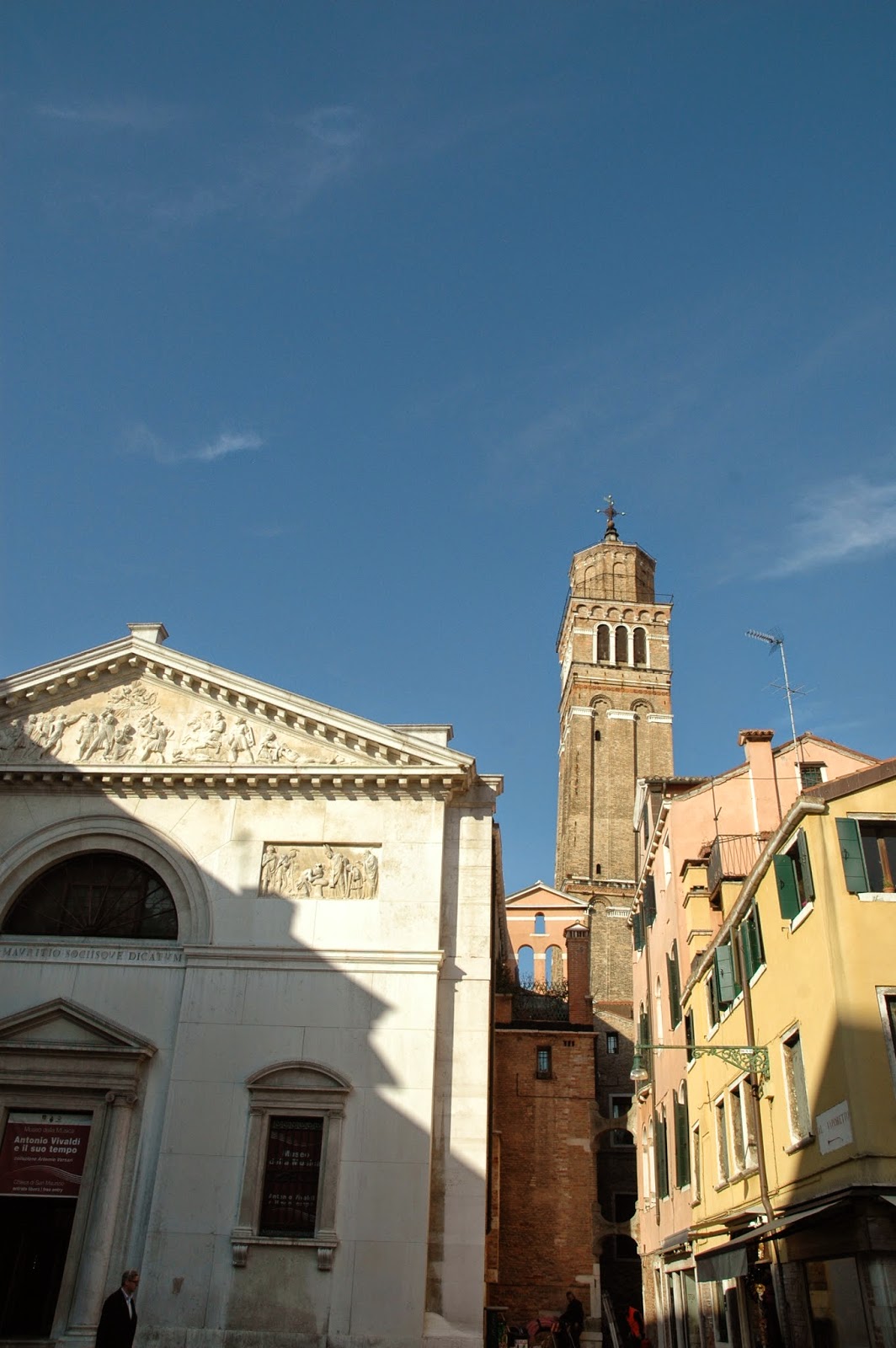
A journey to Italy - Venice
Traveling with my son's 8th grade class from St. Francis School in Austin, TX. Some pictures from Venice - March 12-13, 2015




Sunday, February 22, 2015
EU reaches compromise on Greek bailout - Ukraine remains in turmoil
From the New York Times:
Eurozone Officials Reach Accord with Greece

From the WSJ:
Eurozone Agrees on Four-Month Extension of Greece Bailout: Ministers agreed on extending bailout for Greece by four months, under condition that Athens details adequate reforms
Greek Leader Seeks to Temper Expectations: Government’s change of tack on bailout extension does little to irk public

Thursday, February 12, 2015
Greece works toward compromise with EU Ministers, Ukraine cease fire
Greece and the euro
Hitting the ground running—backwards
Unless Syriza changes course, Greece is inexorably heading out of the euro
Sunday, February 1, 2015
Greek Election Leads to Anti-Austerity Government, Ukraine fighting continues
Greek Election: Syriza Forges Coalition
With Right-Wing Party
Beware Greeks voting for gifts
Syriza’s success increases the risk of “Grexit” and will embolden anti-austerity parties across Europe


Subscribe to:
Posts (Atom)